When Apple dropped the iPad Pro M4 in the middle of 2024, it genuinely caught the tech world off guard. Not only did the tablet launch as the very first device to house the cutting-edge M4 chip, but it also delivered some heavy-hitting updates across the board. The company gave the Mac a backseat for a change, waiting until October of that year to finally refresh its laptop and desktop lineups with the new silicon.
The OLED Shift and Peak Thinness
Apple abruptly abandoned the Mini LED panel used in the 2022 12.9-inch Pro, opting to equip both sizes with Tandem OLED displays. This dual-layered OLED technology brought a noticeably wider dynamic range and seriously boosted peak brightness. Why they ditched Mini LED so quickly is anyone’s guess. Honestly, though, most users were just happy to see the 11-inch and the newly rounded-up 13-inch models getting the exact same top-tier screen treatment.
The chassis itself underwent a massive transformation. The 13-inch iPad Pro officially stole the crown as Apple’s slimmest device ever produced, measuring a mere 5.1 millimeters thick and edging out the classic iPod Nano. The 11-inch version followed closely at 5.3 millimeters. Despite skipping any sort of titanium reinforcement, Apple made it abundantly clear that these paper-thin frames—measuring roughly 0.2 and 0.21 inches respectively—remained just as structurally sound as their bulkier predecessors.
Desktop Power in a Tablet
Underneath that ultra-thin glass, the second-generation 3nm M4 chip packed a serious punch. Featuring a dedicated Neural Processing Unit, it was purpose-built to drive the Apple Intelligence features we rely on today. This hardware had zero trouble handling console-quality gaming, effortlessly running demanding titles like Resident Evil and Assassin’s Creed: Mirage.
Apple finally moved the selfie camera to the landscape edge on the right frame, making video calls far less awkward. They also bumped the base storage up to 256GB and offered a premium nano-texture glass option for the 1TB and 2TB configurations. The color palette, however, remained notoriously safe. The Pro line stuck strictly to Space Black and Silver, avoiding the vibrant hues found on the Air and base iPad models.
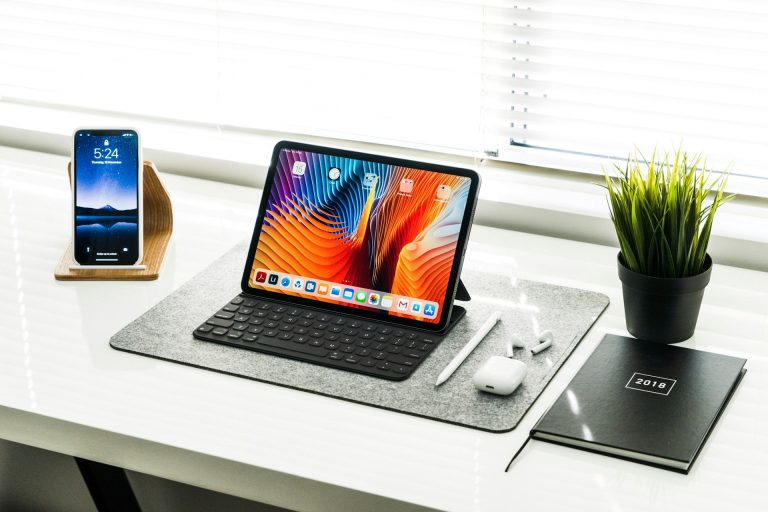
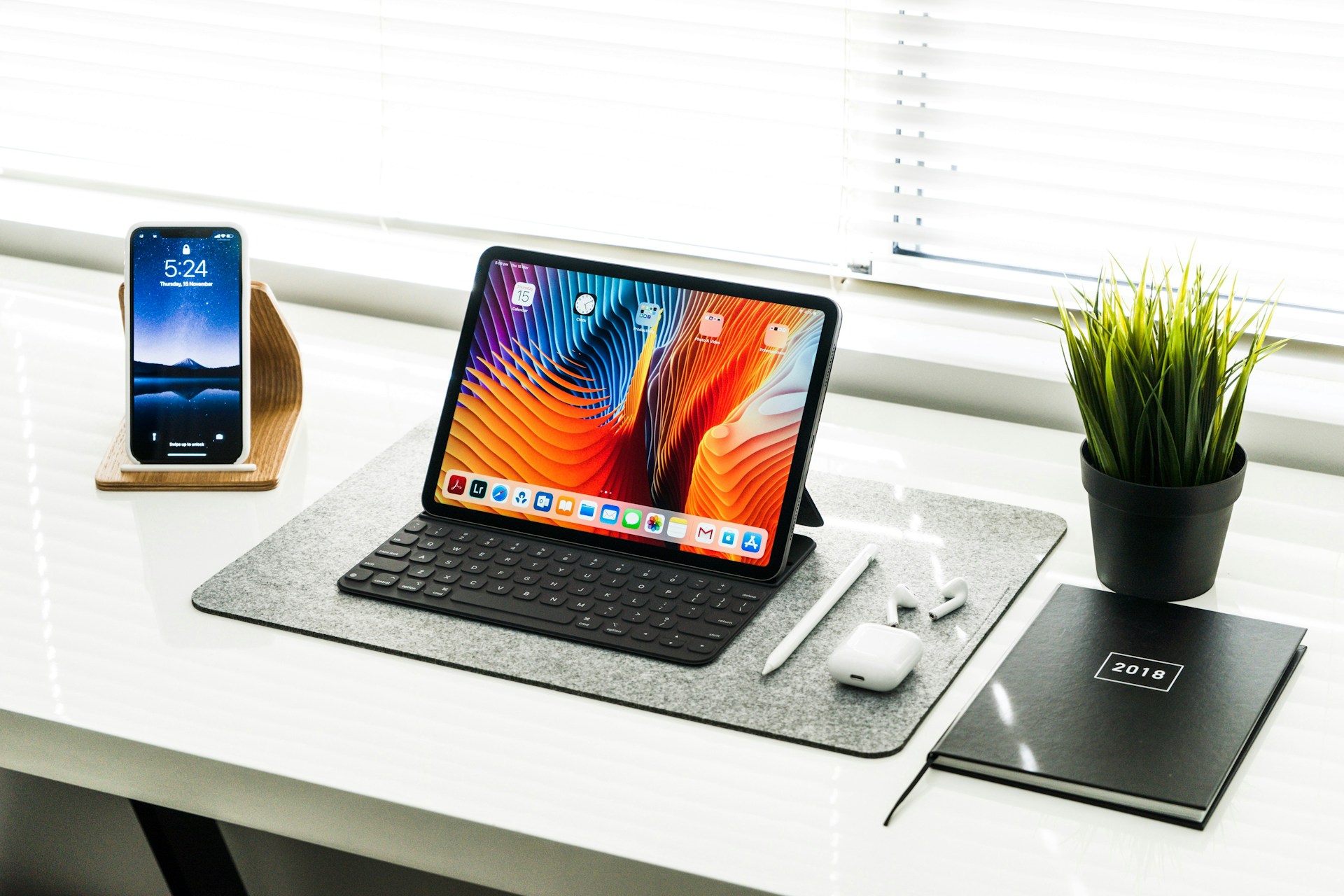
The accessories received a much-needed overhaul to match. Taking a cue from the 10th-generation base iPad, the redesigned Magic Keyboard finally introduced a function row. Combined with a larger trackpad and a sleek aluminum palm rest, it gave the iPad a true laptop-replacement feel. The only catch was that this new keyboard was strictly incompatible with older iPads, just as the M4 tablet wouldn’t fit older keyboards. Add the updated Apple Pencil Pro into the mix, and the premium hardware ecosystem was completely locked in.
Why the M4 is Still a Catch
Fast forward to today, and the iPad Pro M5 line has officially taken the flagship spot. Yet, the M4 model remains an absolute powerhouse. Since the newer generation is actively pushing it out of the primary retail spotlight, right now is arguably the best time to hunt for a clearance deal or a refurbished unit. You might just be on the precipice of snagging a premium tablet for a steal.
Fresh Business Deals for the Modern Fleet
Speaking of device upgrades, Apple is currently running a massive reduced-price promotion aimed squarely at enterprise users. Valid through March 15, 2026, and available while supplies last, these offers make outfitting a modern workforce surprisingly cost-effective.
Upgrading a company’s smartphone fleet brings immediate benefits in day-to-day performance, software reliability, and security. Powered by Apple Intelligence, these newer iPhones handle everything from rapid data capture and text revision to email summarization, all while maintaining strict on-device privacy. For businesses looking for value without sacrificing modern capability, the iPhone 16e stands out as a highly reliable, attractively priced workhorse. Meanwhile, the highly anticipated iPhone Air caters directly to mobile professionals who demand a remarkably lightweight device that still fully supports advanced AI workflows.
On the tablet side, the latest generation provides serious headroom for mobile productivity. Pairing a modern iPad with the Magic Keyboard and Apple Pencil Pro turns it into a highly adaptable tool for remote teams, while Apple Intelligence actively helps users structure and summarize content on the fly. Organizations with heavy creative or AI demands will find the brand-new iPad Pro M5 to be the ultimate premium solution. Alternatively, the iPad Air with the M3 chip delivers plenty of processing power for everyday tasks, making it a smart, economical choice for companies deploying tech across larger teams.
About the Author